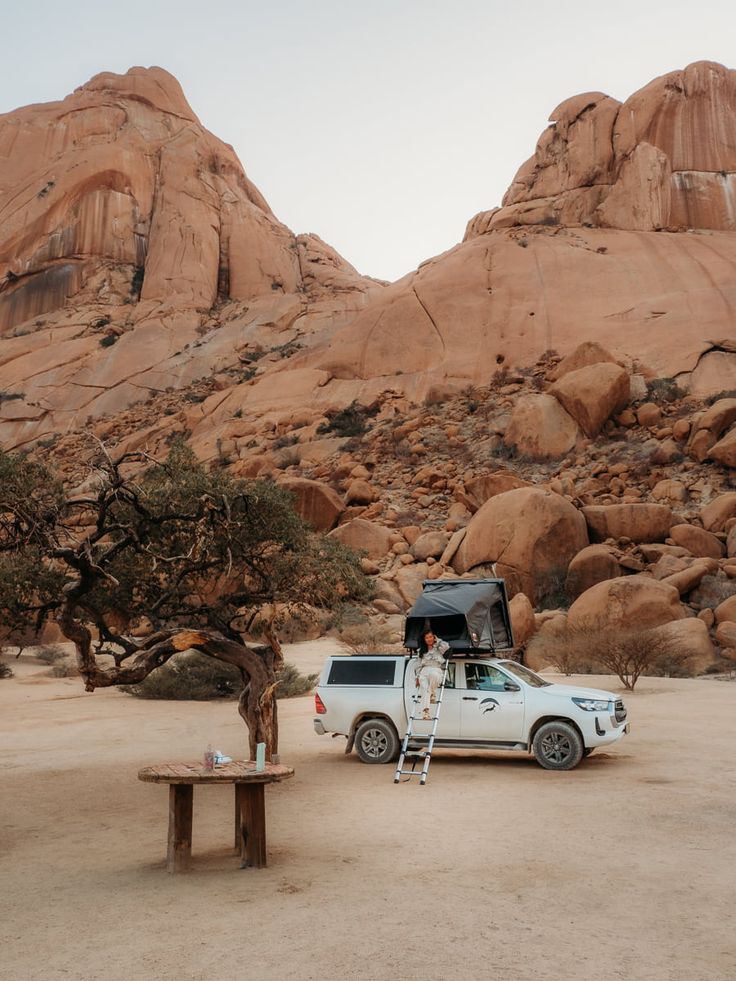
Visit between June and October. Get the right vehicle for your route before you book anything else. Carry cash for rural areas. Do not drive after dark. And do not bring meat, dairy, or biltong across the South African border. These Namibia travel tips come from 25+ years of planning routes through this country. Get the basics right and Namibia is one of the best destinations on the planet. Get them wrong and it gets expensive fast.
| 1.26M Visitors in 2024 | +45% Year-on-year growth |
| 2nd Lowest pop. density | 824K km² Country size |
These Namibia travel tips exist because the country is unforgiving to the underprepared. Distances are long, really long. Fuel stations are sparse. The sun is serious. And mobile signal disappears fast once you leave the main corridor between Windhoek, Swakopmund, and Etosha. Sort the fundamentals before you leave, and Namibia will reward you with some of the most dramatic landscapes you will ever see. Skip them, and the desert will hand you a bill you were not expecting.
These are the tips. To have the trip itself planned around them, Johan builds the route, starting with a free call, and a booking agency Mantis works with can book it.
When Should You Visit Namibia?
The short answer: June through October. Dry skies, cooler nights, and wildlife clustering around waterholes because there is no standing water anywhere else. Lonely Planet consistently flags this window as the prime season, and rental agencies sell out early. Book your vehicle well in advance or choose your dates around what is still available. If you are flexible on timing, late April and May offer excellent game viewing without peak season pricing.
Select a season to see what to expect on the ground.
| Month | What to Expect |
|---|---|
| Jan – Feb | 25–40°C. Fair wildlife viewing. Flood risk in the north. Wet Season |
| Mar – May | 20–35°C. Good wildlife. Roads mostly passable. Lower prices. Shoulder |
| Jun – Aug | 5–25°C. Excellent wildlife. Dry and stable roads. Cold nights. Peak Season |
| Sep – Oct | 15–32°C. Excellent wildlife. Dry but dusty. Waterholes busy. Peak Season |
| Nov – Dec | 22–38°C. Variable wildlife. Early rains possible. Shoulder |
Getting Around: What First-Timers Need to Know About the Roads
About 60% of Namibia’s roads are not tar. They are gravel, sand, or salt, and each surface behaves completely differently. The single most common accident involving tourists is a rollover on gravel, usually caused by driving too fast. Do not exceed 80 km/h on gravel, and never drive after dark. That one rule will keep you out of most trouble.
If you are planning to drive yourself, vehicle choice and route planning matter more in Namibia than in almost any other country. The self-drive tips guide covers everything from realistic driving times to fuel stops and the gate timing tricks that change the whole Sossusvlei experience. Read it before you book your vehicle. If you want to understand the difference between a standard SUV and a proper 4×4 with low range gearing, the 4×4 vs 4WD breakdown explains when each one matters and when you are overpaying for capability you do not need.
Visas, Passports, and the Border
It depends on your passport, and the rules shifted in 2025. Responsible Travel notes that many Western passport holders now pay a small visa fee on arrival or via e-visa, while SADC countries including South Africa remain visa-free. Request more days than you think you will need at entry. Extending inside the country means a trip to Windhoek and paperwork you do not want on a holiday. Do not rely on year-old information. Check your specific passport requirements before you fly.
If you are crossing overland from South Africa, make sure your vehicle paperwork is sorted before you reach the border post. If the vehicle is financed you need a letter from the bank. If it is rented, confirm that your rental agreement covers cross-border travel into Namibia. Standard South African car insurance does not cover you once you cross. And the food restrictions catch everyone off guard. No meat, no dairy, no biltong, no chicken. The full border crossing and food restrictions guide covers the complete document checklist plus exactly what gets confiscated and where to restock once you are inside the country.
Budget and Money: What Does Namibia Actually Cost?
The Namibian dollar (N$) is pegged 1:1 to the South African rand. Both are accepted everywhere in the country, but spend your N$ before you leave because no other country accepts it. ATMs exist in Windhoek and all major towns. Stick to bank-branded machines and avoid the standalone white ATMs that charge extra fees. In rural areas, cash is king. Many farm stalls, small lodges, and campsite reception desks do not accept cards.
A mid-range daily budget runs roughly N$1,100 to N$1,400 per person (USD $60 to $75 / €55 to €70), excluding vehicle rental. That covers a mix of camping, self-catering, and one sit-down meal per day. You can do it for less if you camp exclusively and cook everything yourself. The biggest budget decision most people get wrong is the vehicle. Renting a heavy 4×4 you do not need for your route burns money on the rental and on fuel every single day. The Namibia budget guide breaks down exactly where tourists overspend and where the real savings are.
Where Are Namibia’s Tourists Coming From? (2024)
| Market | Share of Arrivals |
|---|---|
| South Africa | 38.5% |
| Angola, Botswana, Zambia, Zimbabwe | ~20% |
| Germany | 8.8% |
| USA, UK, France, Netherlands | ~12% |
| Other | Remaining |
Safety, Health, and Staying Connected
Namibia is one of the safest countries in southern Africa for tourists. Violent crime targeting visitors is rare. The real risks are on the road, and the self-drive guide covers those in detail. Beyond the roads, there are a few things worth knowing before you go.
Malaria is present in the north, especially the Caprivi Strip and around Etosha during the wet season (November to April). If your route goes through these areas during those months, talk to your doctor about prophylaxis before you leave. The rest of the country, including Windhoek, Sossusvlei, Swakopmund, and the southern regions, is malaria free.
Mobile signal works in all the towns and along the main tarred highways. Once you turn off onto a gravel road heading into the desert, expect to lose signal completely for hours at a time. Download offline maps before you leave your last town. Tell someone your planned route and expected arrival times. If something goes wrong on a remote stretch, you cannot call for help. You wait for the next vehicle to pass, and that could be a long wait.
What to Pack for Namibia
Sunscreen (SPF 50 minimum), a warm fleece for desert nights, a wide-brimmed hat, and a sealed bag for your camera. That covers most of it. The temperature swing between day and night in the Namibian desert can be 30°C or more. You will be in a t-shirt at noon and a puffer jacket at 6am. Pack layers, not heavy coats.
If you are crossing from South Africa, check the food restrictions at the border before you pack the cooler. Biltong, fresh meat, dairy, and chicken are all seized. Plan your first two meals around shelf-stable items you carry across legally, then stock up at the first town inside Namibia.
Where Should You Go in Namibia?
Most first-time visitors cover the classic circuit: Windhoek, Sossusvlei, Swakopmund, and Etosha National Park. That loop takes roughly 10 to 14 days if you do it properly and do not rush the driving days. If you have less time, pick two or three of those and do them well rather than trying to see everything at speed. The top 5 places to visit in Namibia breaks down each destination, what makes it worth visiting, and how long to spend there.
If you are doing the trip solo, there are a few extra things to think about. Route planning matters even more when there is nobody to help change a tyre or flag down a passing vehicle. The solo travel guide covers the practical side of doing this trip on your own.
Want Someone to Plan the Hard Part?
These Namibia travel tips cover the overview. But every trip is different. Your route depends on your vehicle, your budget, the time of year, how many days you have, and whether you are camping or staying in lodges. Getting those decisions right before you leave is what turns a good trip into a great one.
Johan van Eeden has been planning Namibia routes for over 25 years. A custom itinerary gives you a route built for your specific trip, with realistic driving times, vehicle recommendations, accommodation suggestions, a tyre pressure guide, provisions map, and gate timing strategy for parks like Sossusvlei and Etosha. It costs €100 (USD $110 / R2,000), after a free first call. Most people spend more than that recovering from a single wrong call in the desert.
For park bookings and access information, visit Namibia Wildlife Resorts directly.