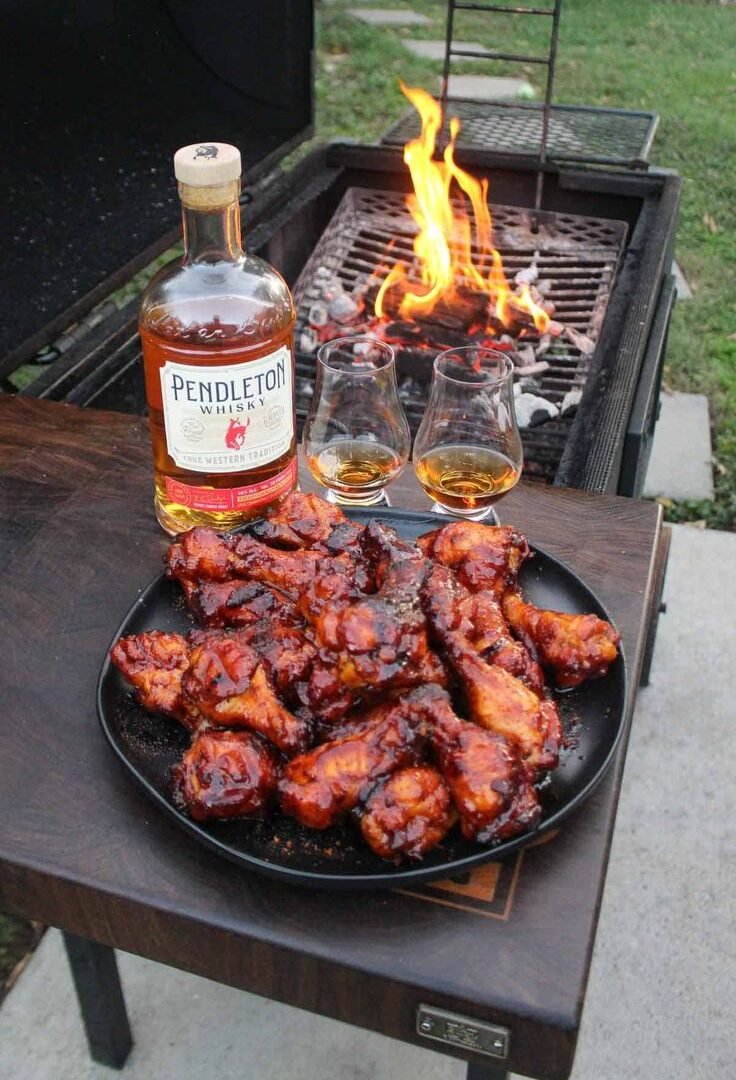
If you are planning a trip to Namibia and wondering what food items are allowed into Namibia, this is the guide you need before you pack the cooler box. Most people only find out at the border, which is not a good time to find out.
Getting into the country is the easy part. Working out the route, the vehicle and which lodges to book in what order is where most first timers lose days, so if you would rather not, Johan can plan the trip for you after a free call.
What Food Items Are Not Allowed Into Namibia?
Namibia takes its border restrictions seriously. The rules exist to protect the local livestock industry and prevent diseases like foot-and-mouth from crossing over from South Africa. Officials are friendly but they will confiscate your meat without hesitation, and they have seen every hiding spot you can think of.
| Category | Examples | Allowed? |
|---|---|---|
| Raw meat | Beef, lamb, goat, chicken, pork | No |
| Biltong and droëwors | Any dried or cured meat product | Restricted |
| Dairy products | Milk, cheese, yoghurt, long-life milk | No |
| Fresh produce | Fruit, vegetables, potatoes, onions | No |
| Wood | Firewood, braai wood | No |
| Cooked meat | Braai leftovers, ham sandwiches, meat pies | No |
Border food rules are the easy part of a Namibia trip. The hard part is the twelve bookings behind them, the campsite inside the Sesriem gate that filled six months ago, the 4×4 that turns out to be wrong for the road you picked. If you would rather not manage all of that yourself, Johan builds the route, and a booking agency Mantis works with can book every night of it.
What Food Is Allowed Into Namibia?
The good news is that you can bring plenty across. You just need to focus on shelf-stable items that do not come from animals.
| Category | Examples | Allowed? |
|---|---|---|
| Canned food | Tinned fish, beans, tomatoes, soups | Yes |
| Dry goods | Pasta, rice, flour, oats, cereals | Yes |
| Snacks | Nuts, dried fruit, crackers, biscuits | Yes |
| Condiments | Olive oil, spices, sauces in sealed jars | Yes |
| Coffee and tea | Ground coffee, teabags | Yes |
| Alcohol | Up to 1 litre spirits and 2 litres wine per person | Yes (duty-free limit) |
Where to Buy Food After You Cross the Border
If you are crossing at Vioolsdrif, Namgate is worth knowing about before you leave home. It sits 5km south of Grünau on the B1 and has a farm butchery called Die Vleisstal operating out of a container right at the entrance. You can walk in and fill your cooler box with droëwors, biltong, game meat, mince, chicken, lamb chops and ribs, or phone ahead on +264 81 642 5959 if you want specific cuts or are buying for a bigger group.
Namibia has food. Shops, butcheries, fuel stations with convenience stores. Most major towns have a Spar or similar supermarket and the quality of meat is genuinely excellent. Namibian beef and game are some of the best you will find anywhere on the continent.
| Border Crossing | Nearest Town | Where to Buy Food |
|---|---|---|
| Noordoewer / Vioolsdrif | Aussenkehr | Spar in Aussenkehr. Engen One Stop for basics. |
| Ariamsvlei / Nakop | Karasburg | Spar in Karasburg. Good butchery. Pre-order specific cuts. |
| Onseepkans / Velloorsdrif | Grunau area | Caldeira Supermarket near Sonop Boerdery. Call ahead for farmer cuts. |
| Oranjemund border | Oranjemund | Namspar. Email orders@namspar.com in advance for specialty items. |
If you are heading into remote areas after crossing, use Karasburg or Keetmanshoop to do a proper stock-up. Do not assume there will be a shop around the next corner. There often will not be one for 200km. For a full breakdown of how to plan your route so you are never caught without supplies, have a look at our Namibia self-drive safari guide.
Can You Bring Biltong Into Namibia?
This is the question every South African asks. The honest answer is that the rules have changed and the enforcement has become stricter. Officially, biltong and processed meats fall under the meat restriction. Multiple travellers have had biltong confiscated at recent crossings. The older rule that allowed 10kg of biltong per person no longer seems to apply consistently in practice.
What About Pork and Chicken?
No pork and no chicken. Full stop. These have been restricted for longer than beef and lamb, and enforcement here is consistent. Do not bring any poultry or pork products across the border under any circumstances.
How Does Namibia Border Control Actually Work?
Most border crossings are efficient and the officials are professional. You will not be bribed, harassed, or held up if your documents are in order. The inspection at most road borders is a visual check. Officials look through your vehicle windows and ask what you have. At some crossings they ask you to open your canopy or boot.
You will also be asked to step onto a disinfectant mat to prevent foot-and-mouth disease from being carried in on your shoes. This is standard practice and takes about five seconds.
For a full list of what documents you need at the border including vehicle letters and driver’s licence requirements, read our step by step guide to Namibian entry requirements, which covers the visa, the fee and exactly what to carry. The Namibia Tourism Board publishes the official version.
Ariamsvlei Border Post: What to Expect at the Crossing
The Ariamsvlei border post is the main crossing for anyone driving from Johannesburg, Pretoria, or anywhere in Gauteng to Namibia. It sits on the Trans Kalahari Corridor (B3 road) about 110 km east of Karasburg. On the South African side, the border post is called Nakop. You will see both names used interchangeably online, but Ariamsvlei is the Namibian side and the name you will actually see on the signage when you arrive.
This crossing is open 24 hours a day, 365 days a year. It handles a lot of commercial freight traffic (long distance trucks) but is generally quieter for tourist vehicles than the Noordoewer crossing. That means shorter queues most of the time, especially on weekdays.
Here is what the process looks like step by step. You arrive at the South African side (Nakop) first. You go to the immigration window, get your passport stamped for exit, and they check your vehicle documents. You then drive the 15 km stretch of no man’s land between the two posts. At Ariamsvlei on the Namibian side, you stop at immigration again to get your entry stamp. The customs officer will ask what you are bringing in and may look through your vehicle. This is where your food gets checked. You also step on the disinfectant mat for foot and mouth prevention. The whole process takes 20 to 45 minutes if your documents are in order.
Ariamsvlei itself is a tiny settlement of about 500 people. There is a petrol station, a small shop, and a restaurant. Do not rely on Ariamsvlei for a major food shop. The nearest proper town is Karasburg, 110 km west on the B3, where you will find a Spar supermarket with a good butchery section. If you need specific meat cuts or are buying for a group, phone the Karasburg Spar ahead of time.
The road from Ariamsvlei to Karasburg is tar and in good condition. From Karasburg you connect to the B1 heading north towards Keetmanshoop (170 km), which is where most self-drive routes begin properly. Keetmanshoop has multiple supermarkets, a fuel station, and is the last reliable stock up point before heading west to Fish River Canyon or north towards Sossusvlei.
Noordoewer Border Post: What to Expect at the Crossing
The Noordoewer border post is the busiest land crossing between South Africa and Namibia. It connects the South African village of Vioolsdrif with the Namibian village of Noordoewer via a bridge over the Orange River (Gariep River). This is the route most travellers take when driving from Cape Town, the Western Cape, or the Northern Cape.
Like Ariamsvlei, this crossing is open 24 hours. It is significantly busier though, especially during South African school holidays (December, Easter, June and July) when families drive up from Cape Town. During peak season, expect 30 to 60 minutes at the border. On quiet weekdays outside of holiday periods, you can be through in 15 to 20 minutes.
The process is the same as Ariamsvlei. South African exit stamp first, drive across the bridge (the border is literally the middle of the river), then Namibian entry stamp on the other side. Food inspection happens on the Namibian side. Officials are professional and efficient. Have your passports, vehicle registration papers, and drivers licence ready. If you are driving a financed vehicle, you need a letter from your bank authorising the vehicle to cross the border. If you are in a rental, make sure the rental agreement explicitly allows cross border travel into Namibia.
Noordoewer itself has a petrol station and basic amenities. The nearest proper town for food shopping is Aussenkehr (about 30 km north on the B1) which has a Spar. If you are heading north towards Keetmanshoop, the B1 is a well maintained tar road and the drive takes about 3 to 4 hours depending on your speed.
If you are coming from Cape Town, the total drive to Noordoewer is about 800 km (roughly 8 to 9 hours). Most people do it in one long day, but if you want to break the drive, Springbok in the Northern Cape is a good overnight stop about 2 hours south of the border.
Which Border Crossing Should You Use?
This depends entirely on where you are starting from.
| Starting Point | Best Crossing |
| Johannesburg / Pretoria / Gauteng | Ariamsvlei (Nakop). Take the N14 through Upington. Quieter border, faster processing. |
| Cape Town / Western Cape | Noordoewer (Vioolsdrif). Take the N7 through Springbok. Busier but most direct route. |
| Bloemfontein / Free State / KZN | Ariamsvlei (Nakop). Route through Upington avoids Cape Town traffic entirely. |
| Northern Cape (Springbok area) | Noordoewer (Vioolsdrif). Only 2 hours north from Springbok. |
| Want to enter via Kgalagadi Park | Mata Mata. Open 08:00 to 16:30 only. Plan your timing carefully. |
Both Ariamsvlei and Noordoewer connect to the B1, which is the main tar road running north through Keetmanshoop, Windhoek, and on to Etosha. Whichever crossing you use, you end up on the same road within a few hours. The food restrictions are identical at every crossing. Our self-drive itinerary guide shows you how the first two days of your route look depending on which border you choose.
Do You Need a Visa to Enter Namibia From South Africa?
No. South African passport holders do not need a visa to enter Namibia. You get a stamp at the border valid for up to 90 days. Make sure your passport is valid for at least six months beyond your travel dates and check that the border official stamps the correct number of days before you leave the booth. Errors at that point become your problem to fix.
Practical Tips for Your First Night in Namibia
The most common complaint from first-time visitors is arriving at camp with nothing to eat because everything fresh was confiscated at the border. Plan your first one or two nights around food you carried across legally or food you buy in the first town after crossing.
Canned fish, pasta, rice and a good spice kit will sort out your first night without needing a butchery. From night two onwards you will have found a town and can cook a proper meal. If you are not sure which campsites or towns to plan around, our top places to visit in Namibia guide gives you a route framework to work from.
For park bookings and access information, visit Namibia Wildlife Resorts directly.
Also check out these guides before you go:
Namibia Travel Guide 2026: Essential Tips Before You Go
Namibia on a Budget: What It Actually Costs in 2026
Top 5 Places to Visit in Namibia