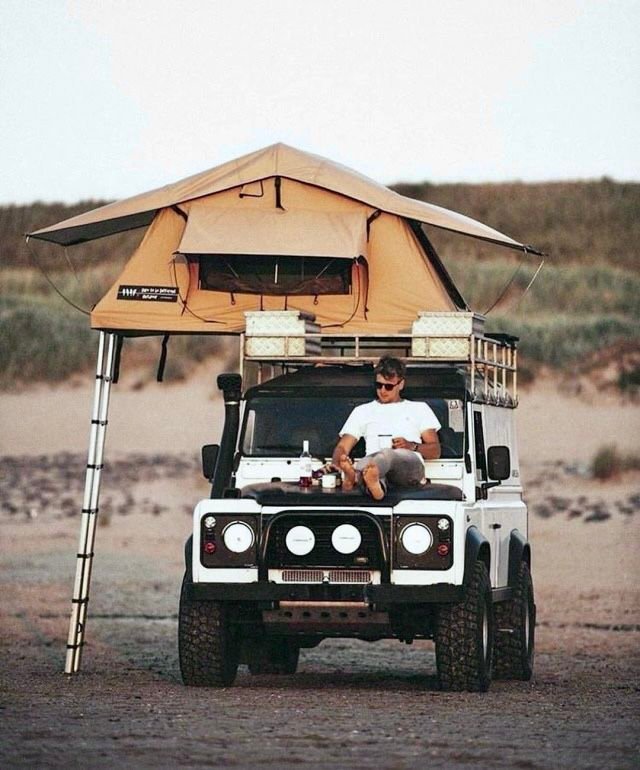
The practical things nobody mentions about Namibia: buy a local SIM on arrival, around N$20 with a 7GB bundle for about N$100. Sossusvlei is a sunrise destination, not an afternoon one. And self-catering accommodation often means bringing everything, including the basics you would assume are already there.
Most people planning a Namibia trip spend hours reading about Sossusvlei and Etosha. They nail down the highlights. What they miss is the practical stuff. The things that only come up once you are already there, standing in a self-catering kitchen with no cooking oil, or at a mobile store being told your brand new iPhone does not support local SIM cards.
Let us talk about the Namibia travel tips that show up after the trip, not before it.
These are the things people wish they had known. The rest are easier to avoid when Johan plans the route, starting with a free call, and a booking agency Mantis works with can book it.
Start With the Phone Situation
If you have a newer iPhone, specifically the 15 or 16, you are eSIM only. That used to rule out a local number in Namibia, and it no longer does. MTC now sells eSIMs, a local one and a travel one, so you can buy a Namibian data plan online before you land or at the airport shop. A portable WiFi hotspot from the airport is still an option if you would rather not bother. If you have a physical SIM slot, MTC prepaid packages are solid value. Bring your passport to the store and budget time for the queue. A SIM costs around N$20 and a 7GB bundle runs about N$100.
While you are sorting connectivity, sort your plug adapters too. Namibia uses Type D and M electrical plugs, with the three-pin South African style being the most common. Most lodges also have EU plugs available as a backup but do not count on it. Bring a South African three-pin adapter and you will be covered everywhere. One thing that catches people off guard: some remote lodges run generators that switch off at night. Charge everything the moment you arrive. A power bank is not optional out here, it is standard kit.
The Roads Are Fine Until They Are Not
Namibia’s main gravel roads are well maintained and perfectly drivable. What gets people is the corrugation. That washboard texture builds up on gravel roads and will rattle your vehicle apart if you push speed. Slow down. It is counterintuitive but it works. A 4WD with high clearance will make long distances and rough surfaces noticeably more comfortable than a standard sedan, even on the main routes. The worst roads in the country are not on some obscure track in the middle of nowhere. They are inside Etosha. People report crawling at under 30km/h and still getting a beating. Plan for it. If you are still deciding on a vehicle, our guide on 4×4 vs 4WD in Namibia will save you from renting the wrong thing.
How to Handle Etosha Without Burning Out
Etosha is extraordinary. It is also the place where most people make the mistake of staying too long. The wildlife density is unlike anything else in southern Africa, but four hours in you start to blend the sightings together and it loses its edge. One day of driving the park roads is the sweet spot for most people. Arrive at Okaukuejo Camp in the late afternoon. Spend the evening at the floodlit waterhole, which alone is worth the trip. Get up early for a full game drive the next morning and move on that evening. Two nights, one full day. Do not try to stretch it further unless you are genuinely wildlife obsessed. If you want to build the full route around this, our Namibia self drive safari guide walks you through how to sequence everything properly.
Sossusvlei Is a Morning Game
The dunes at Sossusvlei are worth every bit of hype. The catch is timing. Get there before the sun does or you are just walking between other people’s photos. If your budget allows, stay inside the park at Sossus Lodge. The access advantage alone pays for itself. You drive to the dunes before the gates open to day visitors and you have it to yourself. Note that Deadvlei is a short walk across open sand, there are no shade structures, and the afternoon heat is genuinely punishing. Most people who stay two nights spend the afternoons indoors. That is the right call. One strong morning is all you need.
Self-Catering Means Bring Your Own Everything
This one surprises almost everyone. Self-catering accommodation in Namibia comes with pots, pans, and a stove. It does not come with oil, salt, or anything else you would expect in a functioning kitchen. Stock up in Windhoek or Swakopmund before you leave for the desert. You do not want to be buying full-sized pantry items at a remote lodge for one meal at double the price. The same logic applies to medication, sunscreen, and anything else you might need. Once you leave the bigger towns, your options shrink fast.
Do Not Skip Kolmanskop
Most people are on the fence about the Luderitz detour. Most people who go end up calling it one of the highlights of the trip. The abandoned diamond-mining ghost town half-buried in desert sand is genuinely eerie in the best way. Buy your sunrise photography pass the day before, get there before the tour groups arrive, shoot in the early morning light while the place is empty, then come back later for the guided tour. If you leave after the tour instead of staying another night in Luderitz, you will not miss much. For more on where to anchor your route, take a look at our breakdown of the top 5 places to visit in Namibia.
A Few Things Nobody Warned You About
Most shops close at 1pm on Saturday and stay shut on Sunday. If you need supplies and miss that window, you are out of luck until Monday. Plan your driving days around it. Cash is mostly needed for tipping, not much else. Lodges, restaurants, and petrol stations take card without complaint and nobody carries change anyway. Keep small notes for guides, trackers, and camp staff because tips matter here and they are the only thing cash is really useful for. South African Rand works at a 1:1 rate everywhere.
Wear what you want for game viewing. You will spend most of your time inside a vehicle. The animals do not care about your colour palette. Neutral tones do no harm but they are not going to change what you see. Layers are more important. Mornings in Namibia can be cold enough for a jacket. Afternoons can be hot enough to shut everything down. Pack for both in the same day.
One last thing. Plan your driving days around the sunrises. Every experienced Namibia traveller eventually says this. The early morning light here is unlike anything else. Going to bed early is a reasonable price to pay for it.
Ready to Plan Your Trip?
If you are putting together your Namibia itinerary and want to do it on your own wheels, our Namibia self drive safari guide covers everything from route planning to road conditions to what to expect at each stop. Start there and build outward.
For park bookings and access information, visit Namibia Wildlife Resorts directly.
Also check out these guides before you go:
Namibia Travel Guide 2026: Essential Tips Before You Go
Travelling to Namibia on a Budget
Top 5 Places to Visit in Namibia